When people talk about nutrition, most conversations revolve around calories, protein, carbs, and fats.
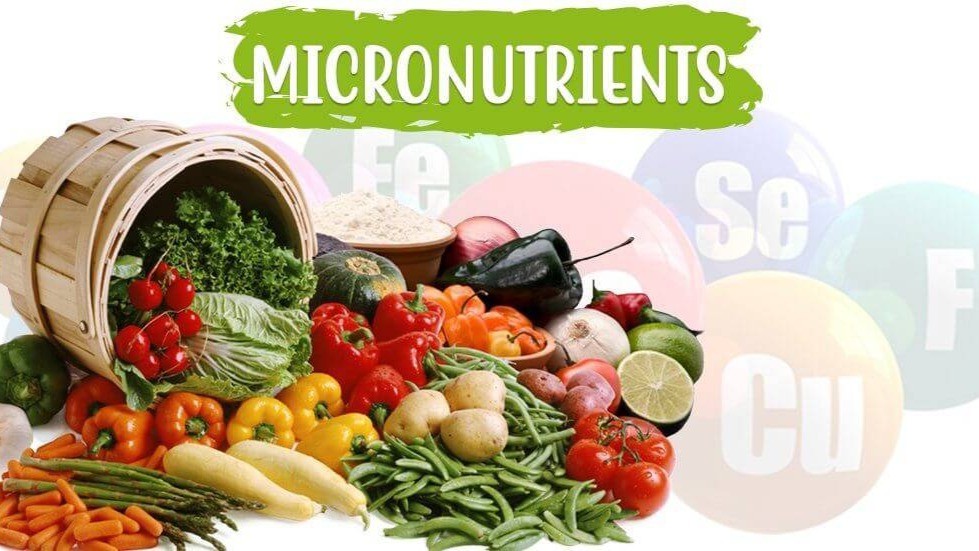
When people talk about nutrition, most conversations revolve around calories, protein, carbs, and fats. While these matter, there is another side of nutrition that often goes unnoticed. It is not loud, not trendy, and not always visible. Yet it quietly decides how healthy, energetic, and focused you feel every day.
These are micronutrients.
They are called “micro” only because the body needs them in small quantities, not because they are less important. In fact, they play a powerful role in almost every function of the body.
What are micronutrients really doing inside us?
Micronutrients include vitamins and minerals. They do not provide energy like food does, but they help your body use that energy properly. They support immunity, brain function, hormone balance, muscle recovery, and even emotional well-being.
You can eat enough food and still feel tired, foggy, or low on motivation if your body is missing these essential nutrients. That is why nutrition is not just about eating more. It is about nourishing better.
Why modern lifestyles increase the risk of deficiency
Today, many people are eating regularly, yet their bodies are still undernourished. Busy schedules, skipped meals, processed foods, stress, and poor sleep all affect how well nutrients are absorbed.
Even home-cooked meals may not always provide everything the body needs. Overcooking, repeated reheating, and lower soil quality reduce the nutrient value of food more than we realize.
This is why symptoms like constant fatigue, low immunity, hair fall, poor sleep, and mood changes have become so common. We often accept them as part of life, but in many cases, they are signs of micronutrient gaps.
The quiet heroes your body depends on
Some micronutrients have a visible impact on how we feel day to day.
Vitamin D supports bones and also influences mood and energy. Vitamin B12 keeps the brain and nervous system strong. Vitamin C strengthens immunity and supports healthy skin. Iron helps maintain healthy blood and prevents exhaustion. Magnesium supports better sleep, relaxation, and muscle function. Zinc plays a key role in healing and immune defense.
Each one works silently, but together they shape your strength, focus, and resilience.
Food comes first. Always.
The best source of micronutrients is still real food. A colorful plate usually means a wider range of vitamins and minerals. Fruits, vegetables, nuts, seeds, whole grains, dairy, and quality protein all contribute in different ways.
Variety matters more than perfection. Eating different foods across the week gives your body better nutritional coverage than sticking to the same meals every day.
When food alone is not enough
In an ideal world, food would meet every nutritional need. In real life, factors like long work hours, travel, stress, and digestive issues make that difficult.
This is where smart supplementation can support a healthy lifestyle. Not as a replacement for meals, but as a way to maintain consistency when life gets busy.
At the same time, it is important to be mindful of the source of your micronutrients. Whenever possible, choose nutrients that are derived from real food sources rather than those that are purely synthetically manufactured. Food-based micronutrients are generally easier for the body to recognize and tend to work more gently over time. On the other hand, excessive or poorly formulated synthetic supplements may place unnecessary stress on the system if taken without proper guidance.
The safest approach is simple: Regional and Cultural Food + Smart supplementation. And always with awareness, not impulse.
Micronutrients and long-term wellness
Micronutrients do not just affect how you feel today. They influence how well you age, how quickly you recover, and how strong your immunity remains over the years.
When people begin to nourish their bodies properly, they often notice small but meaningful changes. Better sleep. Clearer skin. More stable energy. Improved focus. A lighter feeling both physically and mentally.
These are not dramatic overnight changes, but steady improvements that build real health.
A simple message to end with
Good health is rarely about extreme routines or complicated plans. More often, it comes from paying attention to the small details we usually overlook.
Micronutrients may be needed in tiny amounts, but their impact is anything but small. When you start caring about what your body might be missing, not just what it is eating, you take a powerful step toward long-term wellness.
Because real health is not only built on what you add to your plate. It is also built on what you stop ignoring.