Empathy, the ability to understand and share the feelings of another.
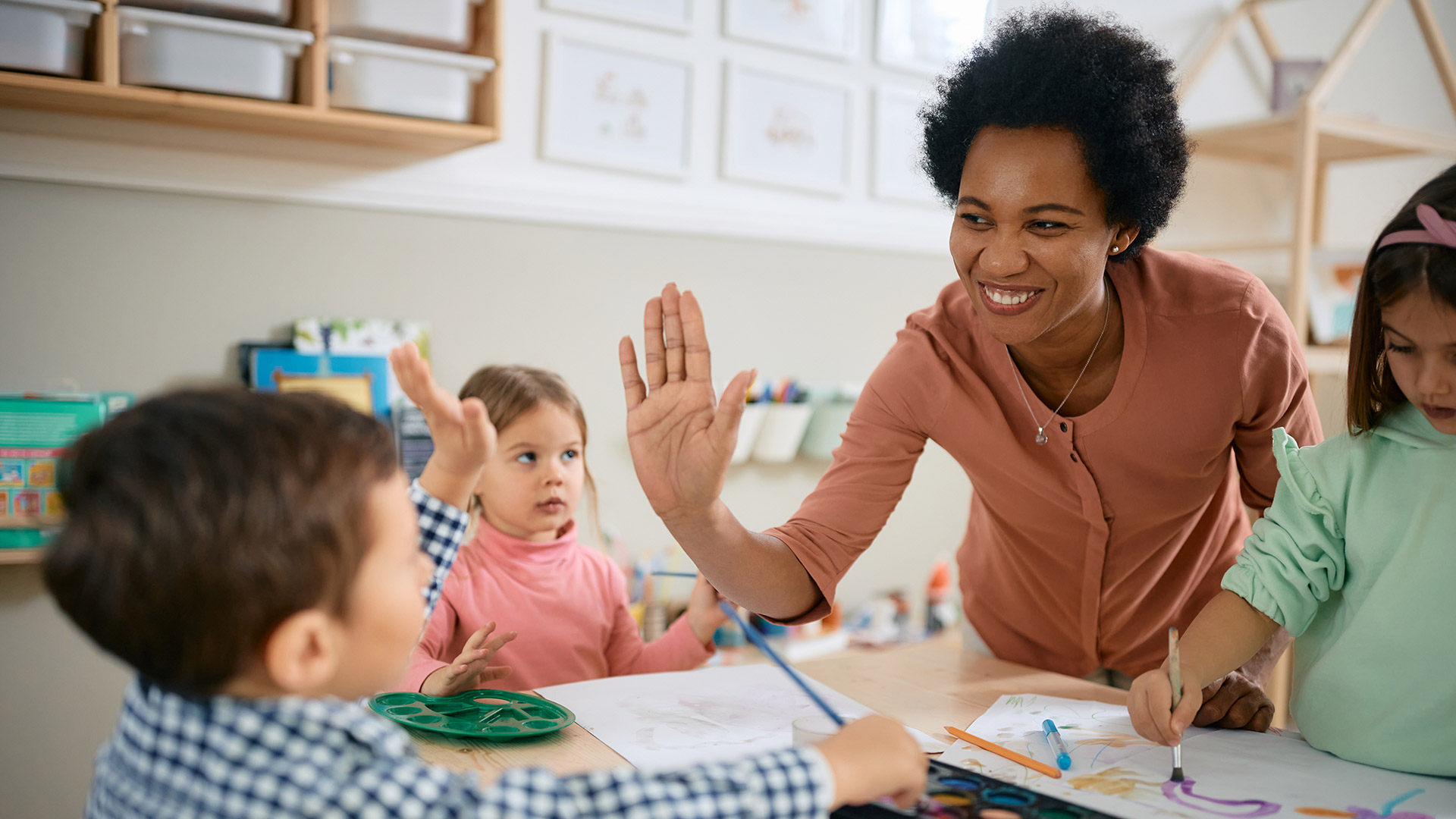
Empathy, the ability to understand and share the feelings of another. Also known as, the ability to put yourself in someone else’s shoes and understand their feelings and point of view. It may seem simple to some, yet it can be very abstract and hard for little children to grasp. For some it just comes naturally. But for others it is hard to put themselves in someone else’s shoes and understand the other person’s perspective. It can cause interpersonal issues because they do not understand what their friends are going through or what they can do to help.
We do know that when children learn to be empathic early in their development, it can lead to much stronger empathy skills later in life as they become adults who treat others with kindness, respect and understanding. Fortunately, the capacity for empathy and sympathy already exists in each child from infancy. And we as adults are responsible to nurture this ability and facilitate our children in growing as happy individuals having productive relationships in both their professional and personal lives as adults.
TIPS FOR TEACHING EMPATHY TO CHILDREN
1. Model how to value feelings
Whenever possible show warmth and empathy towards children. Children learn appropriate ways of behaving and interacting by seeing around themselves. We can be a good role model by acknowledging and valuing others’ feelings, and showing understanding and sympathy when someone is sad, upset, distressed, frustrated or in need of help. Young children sometimes need help understanding what they are feeling, so label the emotion for them. For example, if they are crying, say: “You seem upset. How can I help?”
2. Connect feelings, thoughts, and behaviors
Connect behaviors with the feelings of the children so that they understand cause and effect. Teaching kids about cause and effect can be done through stories, play-acting, or reading books. Talk to children about the thoughts, feelings, and behaviors of the characters. Connect these scenarios with the child’s own experiences. This helps the child more clearly understand the connection between feelings, thoughts, and behaviors.
3. Build a ‘climate’ of empathy
As a family put a focus on working together to build a “climate” that encourages children to be empathic and understanding with their family and friends. This will foster more of the same types of behavior in the future. Developing empathy doesn’t happen overnight. Young children instinctively crave connections with others, and our small efforts to teach empathy can yield big results.